Global Shifts in Digital Movie Acquisition Methods
Noah Jenkins · Jul 26, 2026

Global Shifts in Digital Movie Acquisition Methods
Digital movie acquisition has expanded through licensed platforms that deliver films directly to consumers via internet connections, and data from industry reports shows steady growth in these services across multiple continents. Viewers select titles from catalogs maintained by companies such as Amazon, Apple, and regional providers, while payment occurs through secure transactions that grant either temporary access or permanent ownership rights.
Platform Structures and Delivery Systems
Services operate on subscription models alongside transactional options where users purchase or rent individual titles, and research from the Motion Picture Association indicates that these formats accounted for significant portions of revenue in North America and Europe during early 2026. Platforms employ content delivery networks to optimize download speeds, which reduces buffering during high-resolution transfers, and encryption protocols protect files from unauthorized redistribution once they reach user devices.
Regional variations appear in catalog availability because licensing agreements differ by territory, so a title accessible in Australia might require separate arrangements for viewers in Canada. Observers note that integration with smart televisions and mobile applications has increased convenience, allowing selections to transfer across devices without repeated purchases.
Regulatory Frameworks Across Regions
Government agencies enforce copyright protections that shape how platforms operate, and the European Commission has updated guidelines on digital content that took effect in July 2026 to address cross-border licensing. These rules require providers to verify user locations and prevent circumvention of geographic restrictions, while similar measures from Australia's classification board focus on age-appropriate labeling for downloaded films.
In the United States the Copyright Office maintains records of registered works that influence platform compliance, and studies conducted by university researchers highlight how these policies reduce disputes between rights holders and service operators. Data shows that enforcement actions have led to improved transparency in revenue reporting from digital sales.
Technological Developments in Access
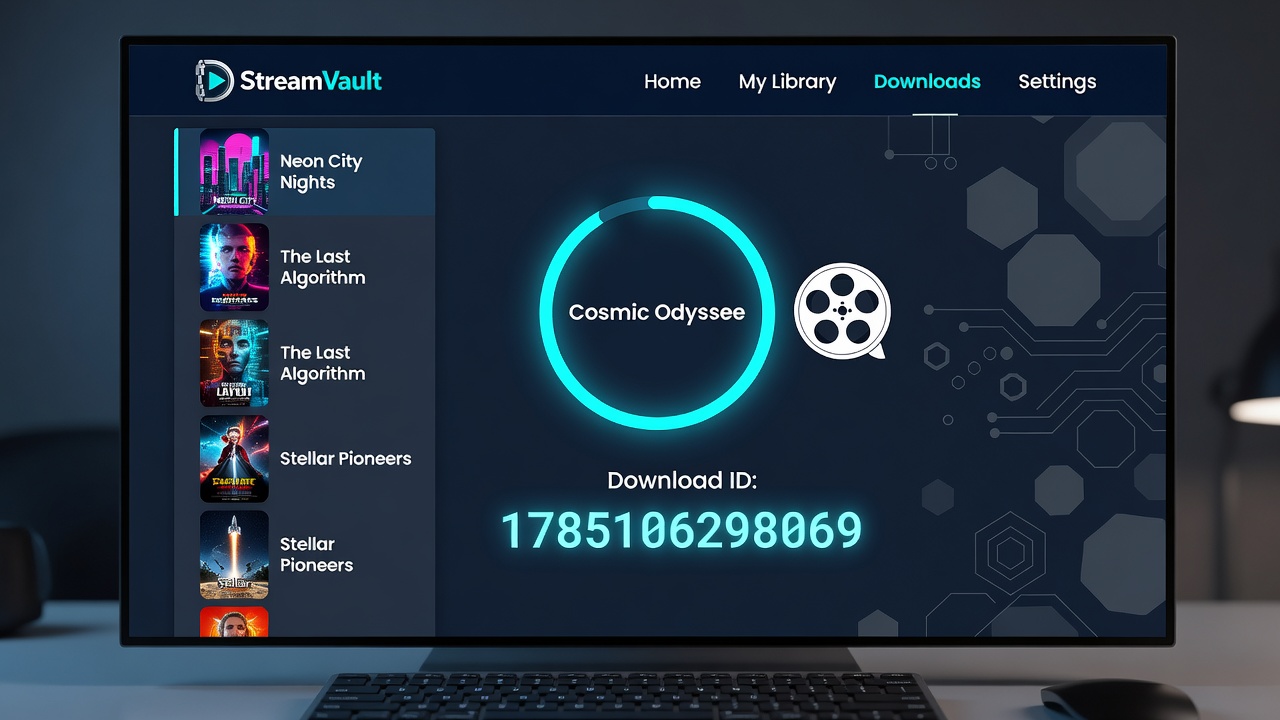
High-definition formats now dominate downloads because compression algorithms allow larger files to transfer efficiently over standard broadband connections, and figures from trade associations reveal adoption rates exceeding seventy percent for 4K options where available. Adaptive streaming adjusts quality based on connection stability, which minimizes interruptions during peak usage hours.
Cloud storage integration lets users maintain libraries without local device limits, and developers continue refining watermarking techniques that identify legitimate copies during any subsequent sharing attempts. These advancements support the shift toward hybrid models that combine immediate streaming previews with full download options for offline viewing.
Viewer Behavior and Market Data
Surveys compiled by academic institutions demonstrate that consumers increasingly prefer ownership of digital copies over physical media, particularly for international releases that arrive simultaneously across markets. Usage patterns indicate higher engagement during evenings and weekends, while mobile downloads have grown due to expanded wireless coverage in urban and rural areas alike.
Industry analysts track seasonal spikes tied to major studio releases, and evidence from European reports confirms that promotional bundles combining multiple titles have boosted transaction volumes in the first half of 2026. Such trends reflect broader acceptance of internet-based procurement as a primary method for film access.
Conclusion
Legal digital acquisition continues to evolve through combined efforts of technology providers, regulatory bodies, and content creators, with updates in July 2026 illustrating ongoing adaptations to viewer needs and legal requirements. Platforms maintain compliance while expanding reach, and data indicates sustained interest in these methods as connectivity improves worldwide.