Global Adaptations in Authorized Digital Film Delivery Systems for 2026
Hugo Becker · Aug 18, 2026

Global Adaptations in Authorized Digital Film Delivery Systems for 2026
Digital film delivery systems have expanded considerably since the early 2020s, with authorized platforms now offering downloads in multiple resolutions including 1080p and 4K alongside standard definition options, and data from industry reports indicate that these services reached millions of users across North America, Europe, and Asia by August 2026.
Service providers such as established streaming services integrate download features that allow offline viewing for limited periods, while the underlying technologies rely on digital rights management protocols to restrict unauthorized redistribution and encryption standards ensure content remains protected during transfer and storage on user devices.
Platform Infrastructure and Technical Standards
Authorized platforms employ adaptive bitrate streaming combined with permanent or temporary download capabilities, whereas users select from libraries that include recent theatrical releases and catalog titles, and synchronization occurs through dedicated applications that manage license verification in real time. Research from academic institutions shows that download speeds and device compatibility have improved through updates to codec support, including AV1 and HEVC formats, which reduce file sizes without compromising visual quality according to technical benchmarks published in 2025.
Regional variations appear in content availability because licensing agreements differ by territory, yet major services maintain consistent quality controls across markets, and observers note that dual audio options for international titles appear more frequently as studios prepare exports with localized soundtracks embedded during post-production pipelines.
Regulatory Developments Across Regions
Government bodies enforce copyright protections and data privacy rules that shape how platforms handle user information during download transactions, while the European Commission's framework for digital services continues to require transparency in content licensing and consumer rights protections throughout member states. In Australia the Classification Board oversees rating systems applied to downloadable films, ensuring age-appropriate labeling remains visible before purchase or rental, and similar oversight exists through Canadian regulatory channels that coordinate with provincial authorities on distribution standards.
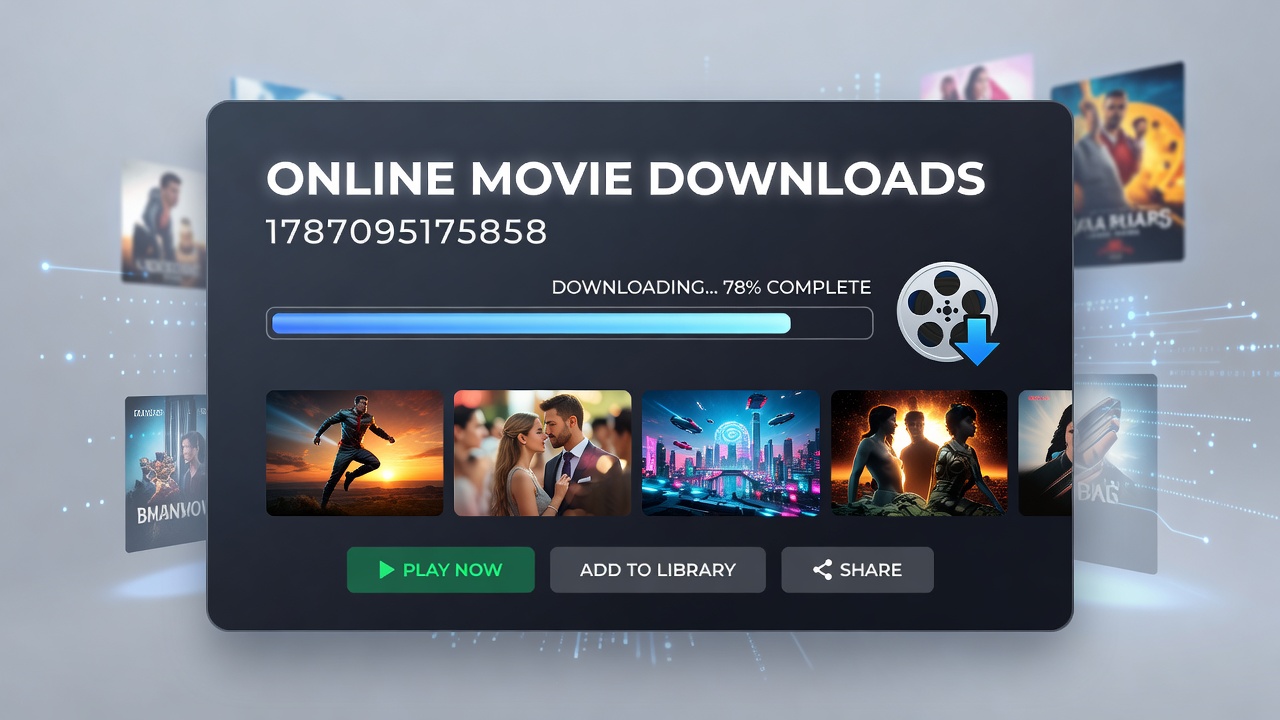
Cross-border data flows face scrutiny under updated privacy legislation, yet platforms adapt by storing user preferences locally where possible, and figures from trade associations reveal steady growth in licensed downloads as studios shift resources toward secure delivery networks rather than physical media production.
Viewer Access Patterns and Industry Responses
Consumption data collected by research firms demonstrate that download usage peaks during travel periods and in areas with limited connectivity, while viewers often combine download options with subscription streaming for flexibility. Studios respond by accelerating simultaneous release strategies across regions, and evidence suggests that high-definition bilingual versions now constitute a larger share of international catalogs as localization teams complete audio layering earlier in the production schedule.
Industry organizations track these shifts through annual surveys that document changes in preferred resolutions and file formats, whereas smaller independent distributors rely on third-party platforms to reach global audiences without building custom infrastructure. The result is a more interconnected distribution environment where technical standards converge even as content libraries remain segmented by licensing agreements.
Conclusion
Authorized digital film delivery continues to evolve through combined advances in encryption, codec efficiency, and regulatory alignment that support broader access while protecting rights holders. As of August 2026 platforms maintain focus on secure, high-quality downloads that meet viewer expectations across diverse geographic markets, and ongoing coordination among regulators, studios, and service providers sustains this infrastructure for future releases.