Examining Data Transfer Patterns in Multi-Audio High-Resolution Film Distribution Across Localized Viewer Communities
Logan Vogel · Jul 24, 2026
Examining Data Transfer Patterns in Multi-Audio High-Resolution Film Distribution Across Localized Viewer Communities
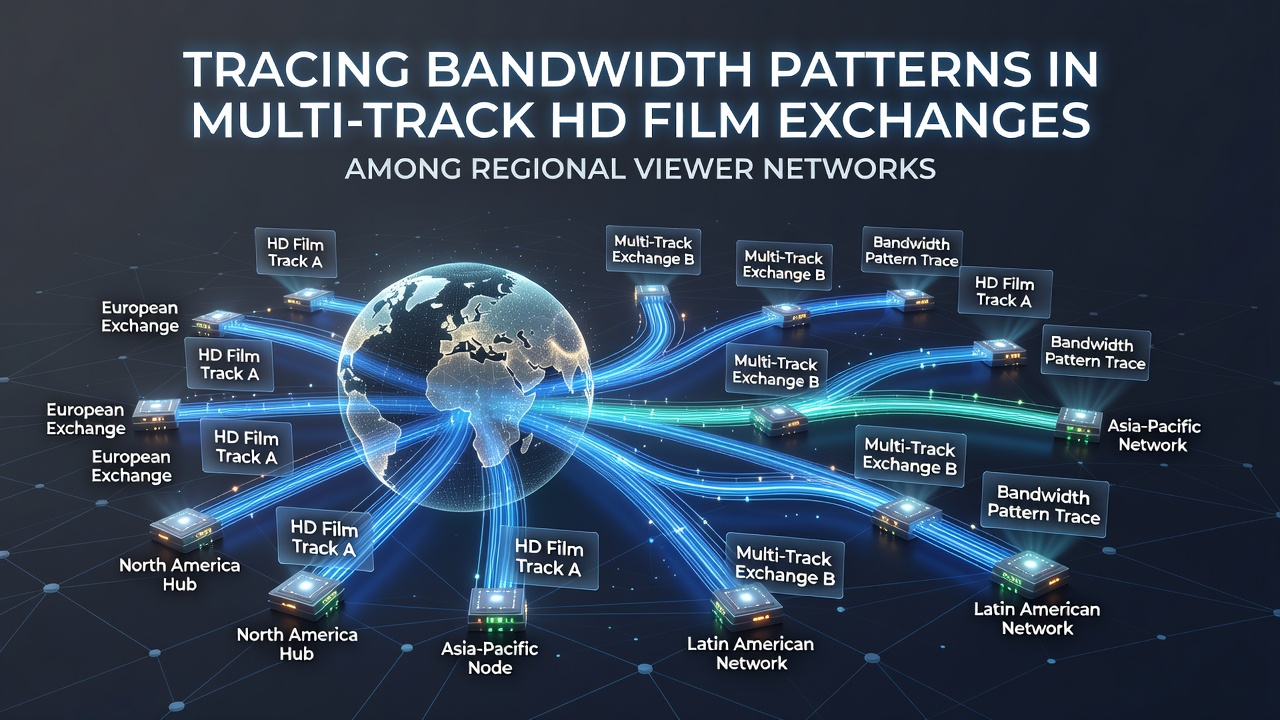
Regional viewer networks exchange multi-track HD film files through decentralized connections that route data among participants in specific geographic zones, and these exchanges generate measurable bandwidth patterns that shift according to time of day along with language track selections. Observers note that files containing multiple audio layers for different regions often require additional packet overhead compared to single-track versions, which leads to distinct traffic signatures during peak sharing hours.
Network Architecture and File Characteristics
Viewer networks typically organize around local servers or peer groups that index available HD files with embedded multi-language audio tracks, while each participant contributes upload capacity in exchange for download access. Data shows these systems handle resolutions at 1080p or higher, and the presence of synchronized audio streams adds to file sizes without altering core video compression methods. Researchers from academic institutions have documented how regional clusters maintain separate indexes yet interconnect during high-demand periods to balance loads across broader areas.
Observed Bandwidth Trends in July 2026
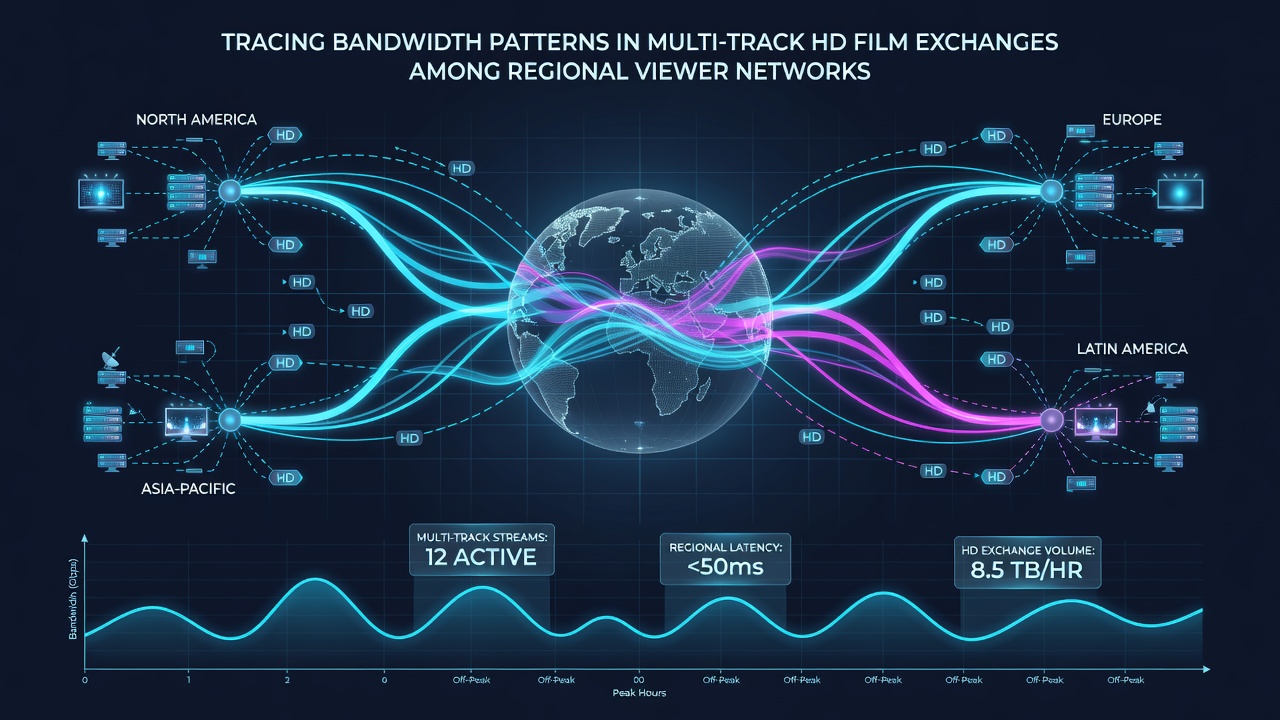
As of July 2026, monitoring reports indicate elevated evening traffic volumes in urban clusters where participants request dual-language versions of recent releases, and these spikes correlate with synchronized release schedules across neighboring zones. Bandwidth utilization climbs when multiple users pull files containing three or more audio tracks simultaneously, since each additional track increases the total data transferred per session. Studies conducted by university teams reveal that patterns stabilize during midday hours but exhibit sharp rises between 18:00 and 23:00 local time in most observed regions.
Factors Shaping Traffic Distribution
Several variables influence how bandwidth distributes across these networks, including the popularity of specific film titles, the number of available language options within each file, and the average connection speeds reported by participating nodes. When a single high-demand title circulates with four audio tracks, downstream traffic often concentrates on nodes holding complete copies, which forces upstream relays to handle repeated segment deliveries. According to findings published through the Australian Communications and Media Authority, regional variations appear when rural networks experience slower baseline speeds that extend transfer durations and flatten peak curves compared to metropolitan counterparts.
Additional influences emerge from cache management practices where frequently accessed segments remain stored locally, reducing repeated long-distance transfers while multi-track files still demand higher sustained throughput during initial seeding phases. Those who have analyzed packet-level data find that audio track selection at the client level can alter total volume by 15 to 25 percent depending on the encoding bitrate chosen for each language layer.
Regional Comparisons and Data Insights
European networks display more even daily distribution than Asian counterparts, whereas North American clusters show pronounced weekend surges tied to broader release windows. Figures from research coordinated by the Canadian Radio-television and Telecommunications Commission highlight how cross-border interconnections between Canadian and U.S. viewer groups amplify bandwidth during simultaneous multi-track requests for bilingual productions. These patterns become visible when analysts compare aggregate logs collected over consecutive months.
Techniques for tracing such flows rely on flow-level monitoring tools that tag packets by file hash and track origin-destination pairs without inspecting content payloads. Observers note that this method allows identification of dominant exchange corridors while preserving participant privacy, and the resulting datasets support predictive modeling for capacity planning within individual regional segments.
Conclusion
Tracing bandwidth patterns in multi-track HD film exchanges among regional viewer networks reveals consistent rhythms driven by file structure, user timing, and geographic factors, and continued monitoring supports better allocation of network resources across participating communities. Data gathered through systematic observation continues to refine understanding of how these decentralized systems scale under varying demand conditions.