Digital Acquisition Trends for Feature Films Across Global Platforms in November 2026
Logan Vogel · Nov 10, 2026
Digital Acquisition Trends for Feature Films Across Global Platforms in November 2026
Online movie downloads have expanded significantly through licensed services that operate under established copyright frameworks, with providers such as major streaming platforms and digital storefronts delivering content in formats ranging from standard definition to 4K resolutions complete with subtitle options and multi-language audio tracks. These services rely on digital rights management systems that encrypt files during transfer and restrict playback to authorized devices, a process that data from industry reports shows has reduced unauthorized copying incidents in monitored markets since earlier decades.
Platform Evolution and User Access Methods
Services including Amazon Prime Video, Apple TV, and regional equivalents in Europe and Asia have integrated download features that allow temporary or permanent storage on user devices, with usage statistics indicating that consumers in urban areas complete downloads more frequently during evening hours when network traffic peaks. Research from academic institutions tracking media consumption patterns reveals that subscription bundles often bundle download rights alongside streaming access, enabling offline viewing on airplanes or in areas with limited connectivity while adhering to territorial licensing agreements that vary by country.
Payment models range from rental periods lasting 48 hours after playback begins to outright purchases that grant indefinite access, and observers note that these options have stabilized revenue streams for studios according to financial disclosures from production companies. In November 2026, several platforms introduced enhanced search tools that filter results by release year, genre, and audio language, streamlining the process for users seeking specific titles from Hollywood productions or international cinema.
Technological Infrastructure Supporting Downloads
Content delivery networks distribute encrypted files through servers positioned closer to end users, which reduces latency and supports simultaneous downloads across millions of accounts without service interruptions, as documented in technical analyses published by telecommunications research groups. Adaptive bitrate streaming adjusts quality based on available bandwidth during the download phase, ensuring compatibility with both high-speed fiber connections and mobile data plans prevalent in emerging markets.
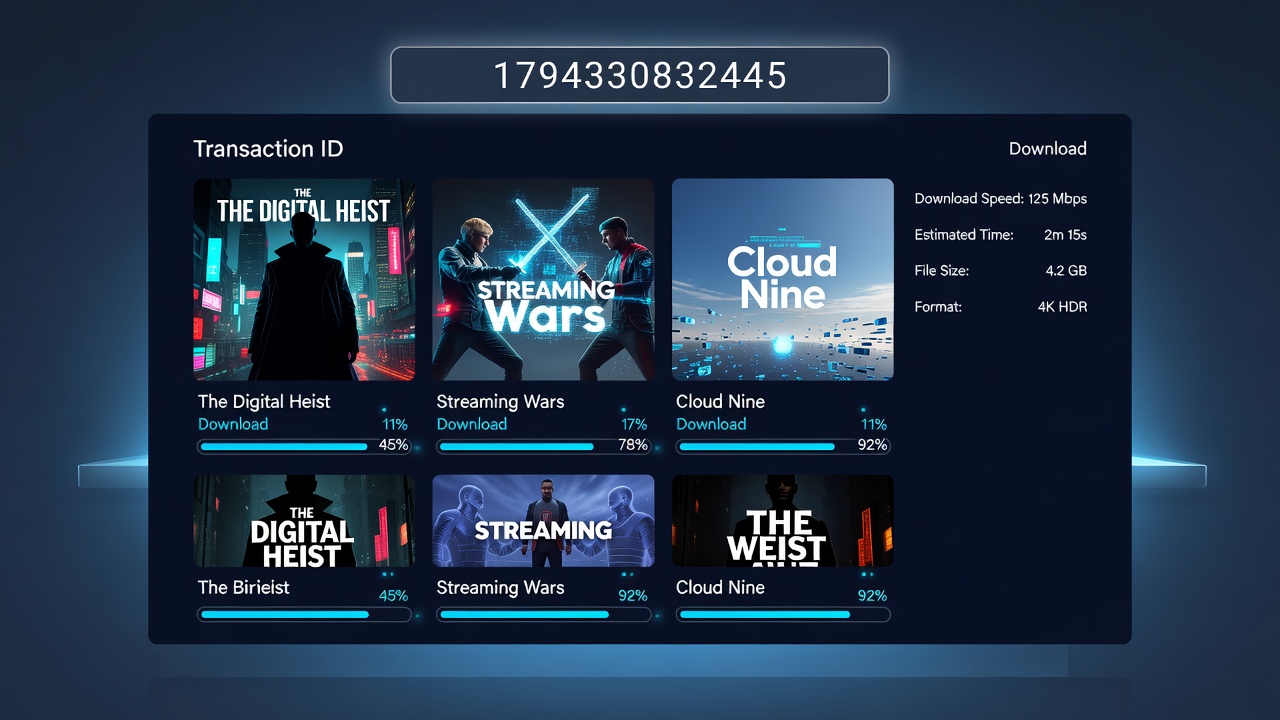
Hardware requirements typically include devices running updated operating systems that support secure enclaves for decryption keys, and manufacturers have incorporated these features into recent smartphone and tablet models to facilitate smoother playback experiences. Studies conducted by university media labs have examined how these protocols interact with home networks, finding that integration with smart TVs allows direct file transfer without intermediate computers in many households.
Regulatory Frameworks Across Regions
Government agencies enforce rules that require platforms to verify user locations before granting access to certain catalogs, with the European Commission overseeing cross-border portability rules that permit temporary downloads when subscribers travel within member states. In Australia, the Australian Competition and Consumer Commission monitors pricing practices for digital media, while Canadian regulators focus on accessibility standards that mandate captioning for downloaded content aimed at broader audiences.
These policies align with international treaties administered through organizations that coordinate copyright protections, and figures from trade associations show compliance rates exceeding 90 percent among established providers in North America and the European Union. Licensing agreements between studios and platforms specify windows for digital release that follow theatrical runs by weeks or months, creating predictable schedules that distributors promote through marketing campaigns.
Market Data and Consumption Patterns
Analytics compiled by research firms indicate that action and drama genres account for the largest share of downloaded titles globally, with peak activity observed during holiday periods when family viewing increases. Mobile downloads have grown as a proportion of total transactions, driven by improvements in cellular infrastructure that support larger file sizes without excessive data costs in many regions.
Industry organizations track these metrics through anonymized user reports, revealing that repeat customers often maintain libraries exceeding 50 titles purchased over multiple years. Partnerships between platforms and payment processors have introduced localized currency options and subscription tiers tailored to different economic contexts, expanding reach into markets previously dominated by physical media sales.
Conclusion
Legal online movie downloads continue to develop through coordinated efforts among technology providers, content creators, and regulatory bodies that maintain frameworks supporting both innovation and protection of intellectual property. As of November 2026, these systems deliver films to diverse audiences while adapting to shifting network capabilities and viewer preferences across continents.