Container Standards Transforming Audio Tracks in Global Thriller Releases
Drew Hansen · Sep 15, 2026
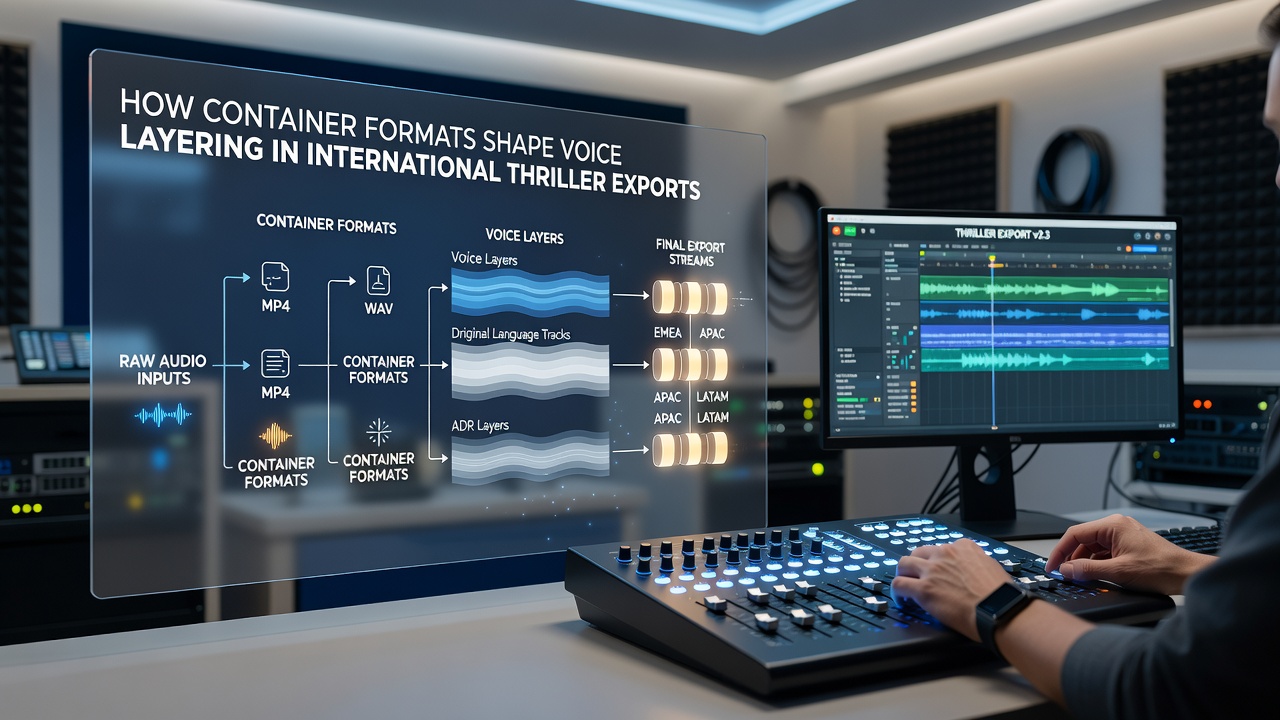
Container Standards Transforming Audio Tracks in Global Thriller Releases
Container formats determine how audio tracks integrate into digital files and this process directly affects voice layering for international thriller exports where multiple language versions must coexist without quality loss; experts in media technology note that choices between Matroska, MPEG-4 Part 14 and other structures influence synchronization protocols and track management during distribution pipelines.
Studies from film preservation labs show that Matroska containers allow unlimited audio tracks with flexible codec support including AAC, DTS-HD and Opus which enables distributors to embed original dialogue alongside dubbed versions and localized sound effects in a single file; this capability proves essential for thrillers that rely on precise timing of tension-building audio cues across regions.
Technical Foundations of Container Support
According to technical documentation from standards organizations, MPEG-4 containers prioritize compact delivery through strict track limits and standardized subtitle integration while Matroska provides extensible metadata fields that preserve timing offsets between layered voices; researchers at European media institutes have documented how these differences alter export workflows for September 2026 releases where simultaneous global drops require seamless multi-language access.
Production teams often select containers based on target platform requirements and data from industry reports indicate that thrillers distributed through streaming services favor MPEG-4 for its broad device compatibility whereas physical media exports lean toward Matroska to accommodate additional commentary tracks and alternate mixes.
Impact on Synchronization and Localization
Voice layering involves precise alignment of dubbed performances with original lip movements and ambient soundscapes and container formats shape this through their handling of timecode metadata and chapter markers; observers at post-production facilities report that certain containers maintain frame-accurate sync across 24fps and 25fps variants which reduces errors during localization for European and Asian markets.
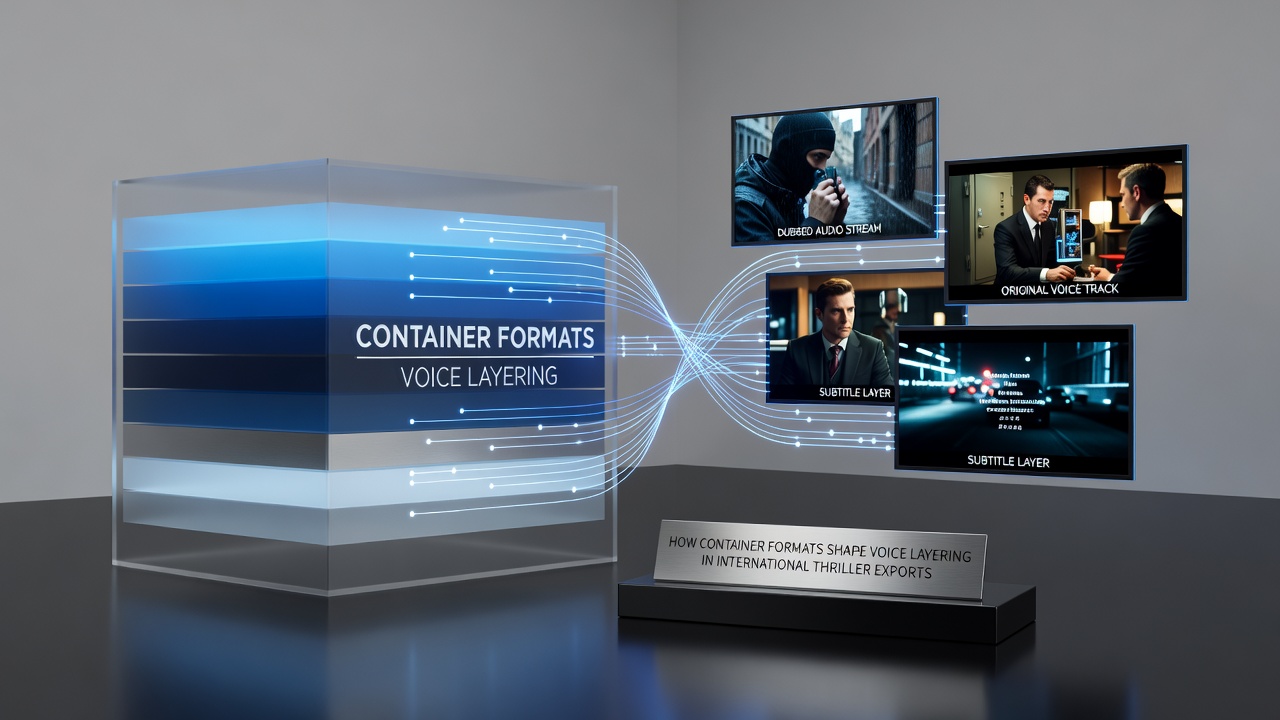
One case involved a major thriller series where engineers switched containers mid-pipeline to resolve audio drift in secondary language tracks and the adjustment allowed retention of high-resolution stems without recompression; data from similar projects reveal that such adaptations cut turnaround times by measurable margins in coordinated international rollouts.
Industry Practices and Format Selection
Trade associations track how container decisions propagate through supply chains and figures from global cinema distribution analyses show increased adoption of hybrid approaches that combine MPEG-4 for primary delivery with Matroska for archival masters; this pattern supports the complex audio layering needs of thrillers featuring rapid dialogue exchanges and multilingual plot elements.
Regulatory frameworks in various regions require accessibility features such as described audio and these mandates intersect with container capabilities since some structures embed additional tracks more efficiently than others; reports compiled by audiovisual observatories in Canada and Australia highlight how format choices affect compliance costs for exporters targeting diverse audiences.
Future Directions in Audio Packaging
Emerging standards continue to refine container specifications with emphasis on enhanced metadata for dynamic voice switching and research from academic centers specializing in media engineering points to ongoing tests of next-generation formats that promise improved bandwidth efficiency for layered audio without compromising fidelity.
Distributors monitor these developments closely because thrillers remain a high-volume export category where audio quality directly influences viewer retention across borders; the interplay between container mechanics and voice layering therefore remains a focal point for technical teams preparing content for worldwide circulation.
Conclusion
Container formats establish the structural parameters that govern how voice layers integrate and travel through international distribution networks and evidence from technical studies and industry data confirms their central role in enabling efficient multilingual thriller exports.